

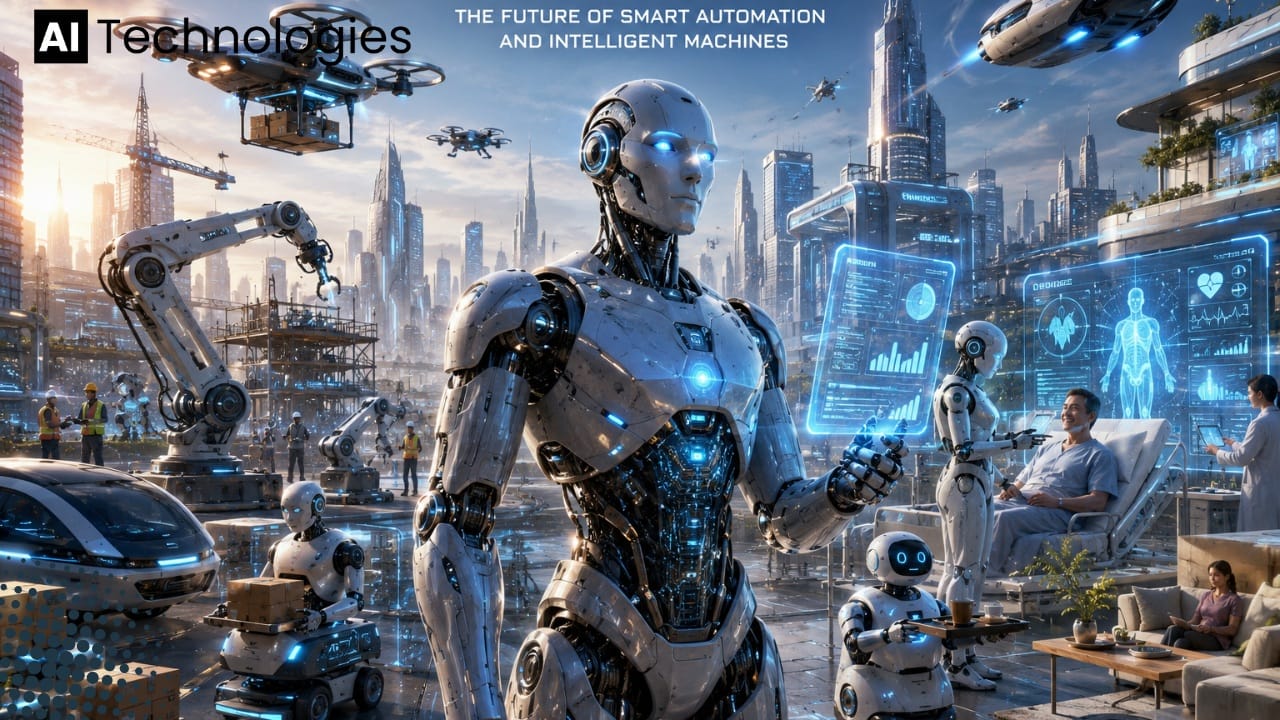
The world is rapidly changing because of AI robots. From smart homes and hospitals to factories and space research centers, these intelligent machines are becoming an important part of modern life. Businesses are investing heavily in AI robots to improve productivity, reduce costs, and increase efficiency. At the same time, consumers are experiencing the convenience of automated assistants and advanced technologies powered by artificial intelligence.
Today, AI robots are more than simple machines programmed to perform repetitive tasks. They can learn from data, analyze situations, communicate with humans, and make decisions with minimal human involvement. This combination of robotics and AI is creating a future where machines can support humans in almost every industry.
In this article, we will explore how AI robots work, their benefits, applications, future possibilities, and the challenges they may bring. You will also discover how technologies like robotic automation, robotic intelligence, and AI innovation are shaping the next generation of smart machines.
What Are AI Robots?
AI robots are intelligent machines that combine robotics with artificial intelligence technologies. Unlike traditional robots that follow fixed instructions, these advanced systems can learn, adapt, and respond to changing environments.
Modern AI robots use technologies such as:
- Machine learning
- Computer vision
- Natural language processing
- Neural networks
- Sensor technology
These systems help robots perform tasks more efficiently and interact with humans naturally.
The rise of robotics and AI has enabled machines to become more flexible and intelligent than ever before. Many companies now rely on smart robots to improve operations and automate repetitive tasks.
The Evolution of AI Robots
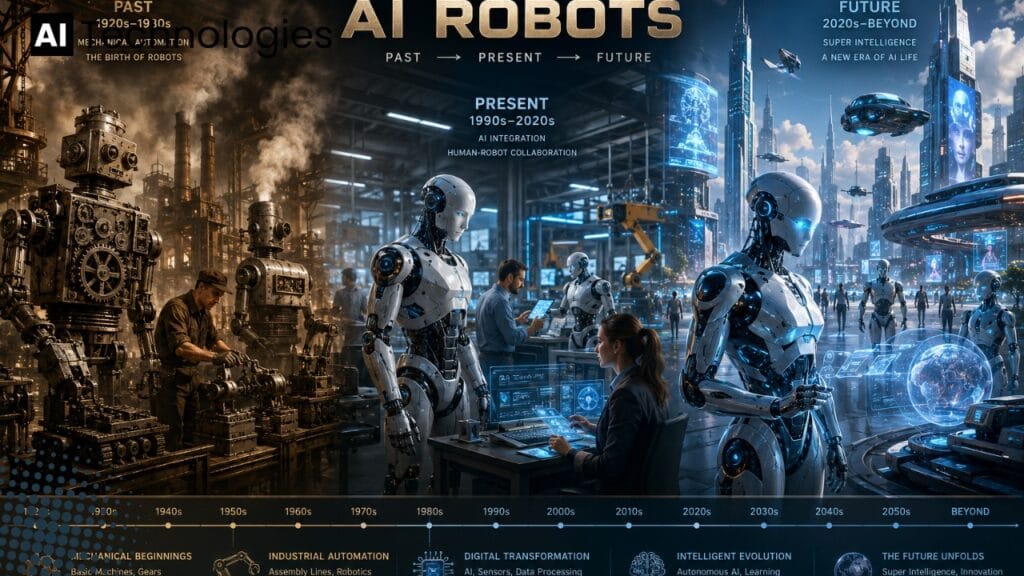
The journey of AI robots started with simple industrial machines used in factories. Early robots were limited to repetitive actions like welding or assembling products. However, advances in computing and artificial intelligence changed everything.
Early Industrial Machines and Robotic Automation
In the 1960s and 1970s, manufacturers introduced machines designed for robotic automation. These robots increased production speed and reduced human labor in dangerous environments.
As technology evolved, industries started integrating sensors and intelligent systems into machines. This marked the beginning of modern robotic intelligence.
Rise of Smart Robots
Today’s smart robots can analyze their surroundings, recognize objects, and even communicate with humans. These robots are used in healthcare, logistics, education, and customer service.
The integration of robotics and AI has made machines more adaptable, efficient, and capable of performing complex tasks.
How AI Robots Work
Understanding how AI robots function helps explain why they are becoming so powerful.
Sensors and Data Collection
Most AI robots use sensors such as cameras, microphones, and infrared detectors to gather information from their environment.
These sensors help autonomous robots navigate spaces, avoid obstacles, and understand surroundings.
Artificial Intelligence and Learning
Artificial intelligence enables robots to process data and learn from experiences. Through machine learning, AI robots improve performance over time.
This process strengthens robotic intelligence, allowing robots to make better decisions without constant human supervision.
Decision-Making Systems
Modern smart robots use algorithms to evaluate situations and choose appropriate actions. For example, delivery robots can identify the shortest route to a destination.
Such advancements demonstrate how AI innovation is revolutionizing robotics.
Types of AI Robots
There are many categories of AI robots, each designed for specific tasks and industries.
Humanoid Robots
The Rise of Humanoid Robots in Modern Society
Humanoid robots are designed to resemble humans in appearance and behavior. These machines often include facial expressions, speech recognition, and realistic movements.
Many companies are developing humanoid robots for customer service, healthcare assistance, and companionship.
Benefits of Humanoid Robots
The popularity of humanoid robots comes from their ability to communicate naturally with people. They can assist elderly individuals, teach students, and support healthcare workers.
As AI innovation continues, these robots are becoming more advanced and lifelike.
Autonomous Robots
Understanding Autonomous Robots
Autonomous robots can perform tasks independently without direct human control. They use artificial intelligence and sensors to make decisions in real time.
Self-driving vehicles and warehouse machines are examples of autonomous robots.
Applications of Autonomous Robots
Many industries use autonomous robots for transportation, delivery services, and exploration missions.
These intelligent systems showcase the power of robotic automation and advanced machine learning.
Smart Robots
Why Smart Robots Are Becoming Popular
Smart robots are designed to interact intelligently with humans and environments. They can recognize voices, understand commands, and perform personalized tasks.
Smart assistants and robotic vacuum cleaners are common examples of smart robots used in homes today.
Future of Smart Robots
The future of smart robots looks promising as companies continue investing in AI innovation and intelligent automation systems.
These robots will likely become essential tools in everyday life.
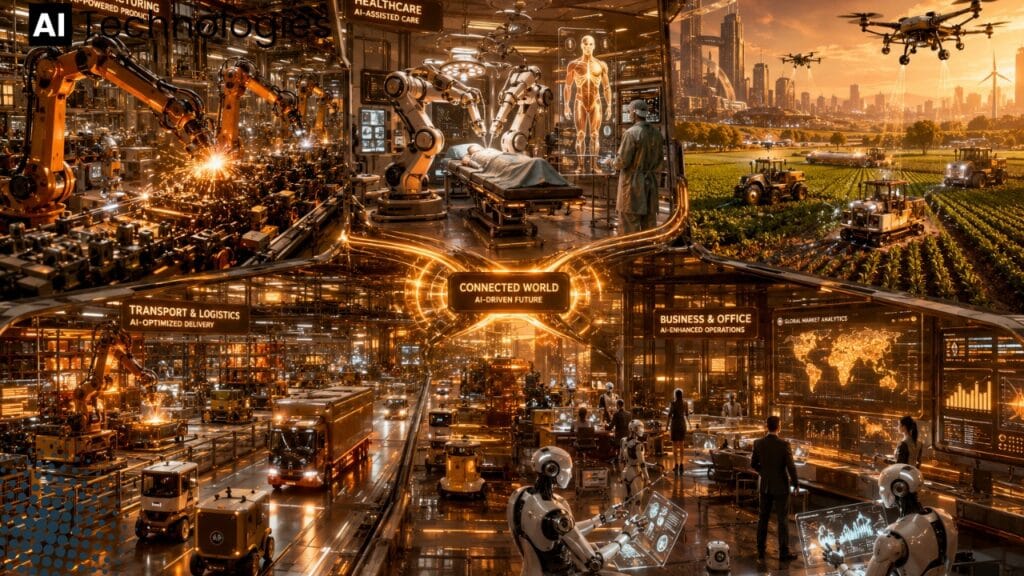
Robotics and AI in Different Industries
The combination of robotics and AI is transforming industries around the world.
Healthcare Industry
Hospitals use AI robot for surgeries, patient monitoring, and medication delivery. Surgical robots improve precision and reduce recovery time.
Many healthcare providers also rely on humanoid robots to assist patients and provide emotional support.
Manufacturing Industry
Factories use robotic automation to improve productivity and reduce operational costs.
Industrial AI robot can work continuously with high accuracy, making manufacturing faster and more efficient.
Education Sector
Educational institutions use smart robots to teach coding, mathematics, and language skills.
Interactive robots make learning more engaging for students of all ages.
Transportation and Logistics
Companies use autonomous robots for warehouse management and package delivery.
These systems optimize logistics operations and reduce human error.
Benefits of AI Robots
The popularity of AI robot continues growing because of their many advantages.
Increased Efficiency
One major benefit of AI robot is improved productivity. Machines can work faster and longer than humans without fatigue.
Better Accuracy
Through advanced robotic intelligence, robots can perform precise tasks with minimal mistakes.
This is especially important in industries like healthcare and manufacturing.
Enhanced Safety
Many dangerous jobs are now handled by autonomous robots, reducing workplace injuries and risks.
Cost Reduction
Businesses save money through robotic automation by reducing labor costs and improving operational efficiency.
Challenges of AI Robots
Despite their advantages, AI robot also present challenges.
Job Displacement
As companies adopt robotic automation, some traditional jobs may disappear. Workers may need new skills to adapt to changing industries.
Ethical Concerns
The growth of robotics and AI raises ethical questions about privacy, surveillance, and decision-making.
High Development Costs
Building advanced humanoid robots and intelligent systems requires significant investment and research.
Security Risks
Connected smart robots can become targets for cyberattacks if security systems are weak.
AI Innovation Driving the Future
The rapid pace of AI innovation is accelerating the development of intelligent machines.
Advanced Machine Learning
Modern AI robot use deep learning systems to analyze massive amounts of data.
This improves robotic intelligence and helps machines make better decisions.
Human-Robot Collaboration
The future will focus on collaboration between humans and smart robots rather than replacement.
Many businesses already use robots as assistants instead of complete substitutes.
Smarter Autonomous Systems
Researchers are improving autonomous robots to operate safely in complex environments such as cities and hospitals.
The Future of AI Robots
The future of AI robot looks incredibly exciting. Experts predict intelligent robots will become common in homes, workplaces, and public spaces.
AI Robots in Daily Life
Soon, families may rely on AI robot for cleaning, cooking, security, and personal assistance.
These advancements will improve convenience and quality of life.
Expansion of Humanoid Robots
As technology improves, humanoid robots may become more realistic and emotionally intelligent.
Businesses could use them for customer interaction and social support roles.
Growth of Robotics and AI
The integration of robotics and AI will continue transforming industries through smarter systems and intelligent automation.
This evolution will redefine how humans interact with machines.
How Businesses Can Prepare for AI Robots
Organizations should prepare for the rise of AI robots by investing in technology and workforce training.
Upskilling Employees
Workers should learn new digital and technical skills related to robotic automation and artificial intelligence.
Investing in AI Innovation
Companies that embrace AI innovation early will gain a competitive advantage in the future market.
Building Ethical Guidelines
Businesses must create ethical policies for using smart robots and intelligent systems responsibly.
AI Robots and Human Creativity
Many people fear that AI robots will replace human creativity, but the reality is more balanced.
Robots can automate repetitive work, allowing humans to focus on innovation, problem-solving, and creative thinking.
The partnership between humans and robotic intelligence may lead to incredible discoveries and technological progress.
Conclusion
The rise of AI robot is transforming the modern world at an incredible speed. From healthcare and education to logistics and manufacturing, intelligent machines are improving efficiency, accuracy, and productivity across industries.
Technologies such as humanoid robots, smart robots, robotic automation, autonomous robots, AI innovation, robotic intelligence, and robotics and AI are shaping the future of intelligent systems.
Although challenges like job displacement and ethical concerns remain, the potential benefits of AI robots are enormous. Businesses and individuals that adapt to these technologies will be better prepared for the future.
As artificial intelligence continues evolving, AI robots will likely become trusted partners in everyday life, helping humans achieve greater innovation, safety, and efficiency than ever before.
FAQs About AI Robots
What are AI robots?
AI robots are intelligent machines powered by artificial intelligence that can learn, analyze data, and perform tasks automatically with minimal human intervention.
How do AI robots work?
AI robots use sensors, machine learning, computer vision, and advanced algorithms to understand their environment and make decisions in real time.
What is the difference between traditional robots and AI robots?
Traditional robots follow fixed instructions, while AI robot can learn from experiences, adapt to situations, and improve performance over time using robotic intelligence.
Where are AI robots used?
AI robots are widely used in healthcare, manufacturing, education, logistics, customer service, and smart homes for automation and efficiency.
Are humanoid robots the future?
Many experts believe humanoid robots will play a major role in healthcare, customer support, education, and personal assistance due to their human-like interaction abilities.
What are autonomous robots?
Autonomous robots are robots that can operate independently without direct human control by using artificial intelligence and sensors.
How do smart robots help businesses?
Smart robots improve productivity, reduce errors, automate repetitive tasks, and lower operational costs for businesses.
What are the benefits of robotic automation?
Robotic automation helps companies save time, increase efficiency, improve accuracy, and reduce workplace risks.
Is robotics and AI replacing human jobs?
The growth of robotics and AI may replace some repetitive jobs, but it also creates new career opportunities in technology, programming, and AI development.
What is the future of AI robots?
The future of AI robot includes advanced home assistants, intelligent healthcare systems, self-driving vehicles, and more human-robot collaboration powered by continuous AI innovation.